You nominated, you voted. Thanks again for the participation, support, and love over all the years. We look forward to keeping this alive as long as you are all still out...
Podcast Episodes 823, 824, and 825 are now live
Catching up.
Three new episodes are ready this weekend.
Epsode 823 features new tunes by Pop Will Eat Itself ft. Clams Baker, The Body & Cel Genesis, Kneecap (remixed by Kelly Lee Owens , Chris Herbert, John Tejada, Six By Seven, Copper Sounds, Grand River, Seán Being, Superchunk, and Alasdair Roberts + Fredrik Rasten, and one from the vaults by Juana Molina & Alejandro Franov.
Episode 824 has new music from The Bug & Hollie Cook, Tracy Bonham, MIZU, Black Lung, Velvet, Boy Harsher, Loidis, Dialog with Paul St. Hilaire, Richard Skelton & Lawrence English, and Boris with Planning for Burial , plus older music from Brian Eno & J. Peter Schwalm and Don Cherry with Latif Khan.
Episode 825 has new music by Miki Berenyi Trio, Bow, Actors, Bill MacKay & Michael Zerang, Dawuna, Haleiwa, Andrea De Carlo & Jeremy Young, Fergus Jones & Thomas Bush, Stafrænn Hakon, Greater Than One, and Nadja, plus a classic from Honey Dijon with Tim K and Jason Walker.
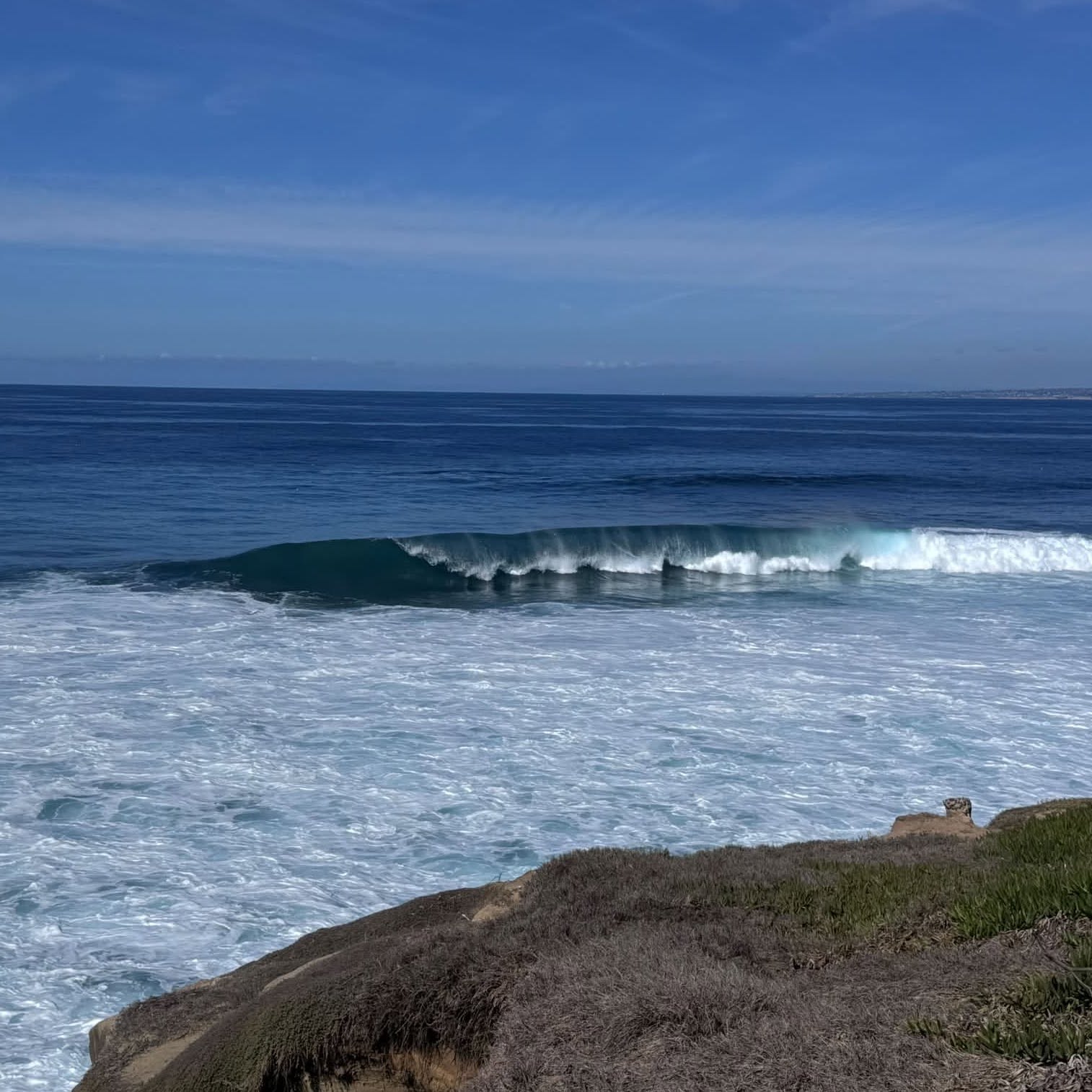
San Diego beach photo by Robin.
Get involved: subscribe, review, rate, share with your friends, send images!
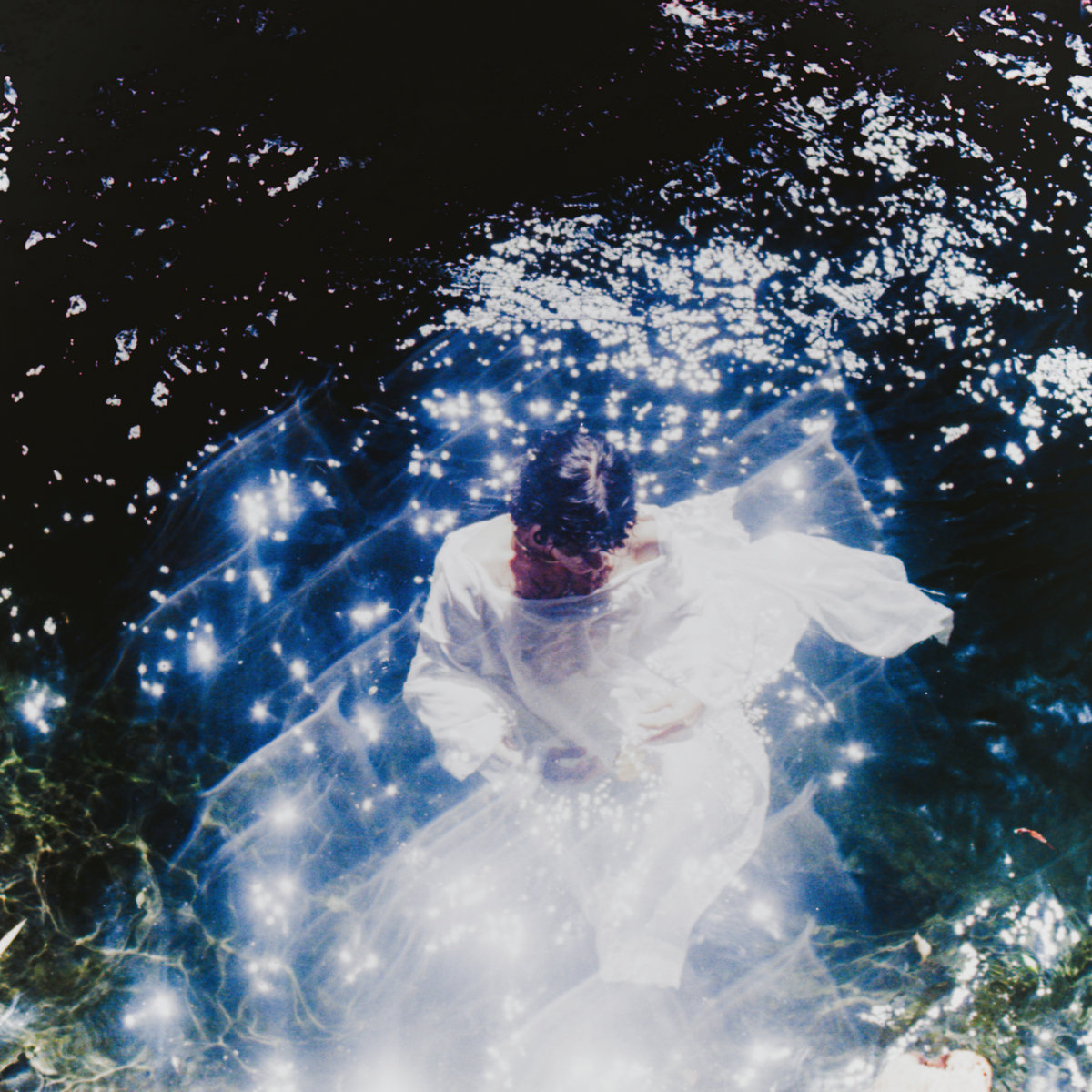
This first release by Brooklyn-based interdisciplinary artist isabel crespo pardo for Leaving Records debuts is also their first under the name iiisa, but they previously released a similarly unconventional and challenging cassette on Philadelphia’s fine Lobby Art label. This latest album is billed as a collage of “field recordings, poemsongs, and familial voices from their home in Costa Rica” that draws on influences from “Latin American histories, Black American art, and queer and trans thought.” I would personally include Astrud Gilberto and avant-garde electroacoustic composition in that list as well, yet iiisa’s surreal and impressionistic vision is very much a deeply personal one without any obvious stylistic precedents. As iiisa themself puts it, “I wanted to offer my voice in the way I hear it when I’m alone” and “bring people into the cave of my mind.” To me, that cave is best described as an immersive, shapeshifting, and diaristic fever dream where soft Latin pop melodies and evocative field recordings elusively drift and dissolve.
The album’s title translates as “so much i’ve loved you,” but the “you” part of that seems to encompass quite a significant number of people and places, as the album’s source material covers a decade of recordings and features the voices of iiisa’s mother, grandmother, and great grandmother (among others). That is fitting, as iiisa describes their new solo guise as a “constellation of shifting presences” and the album itself as a collection of “composted fragments of past compositions and field recordings.” That unconventional composition process is described as something akin to “sculpting a cloud,” as iiisa notes that each of these pieces was “recomposed dozens of times” until their essence was fully revealed.
To me, these pieces feel like a disorienting and mirage-like series of overlapping memories, as the only real thread that runs throughout the album is the sound of iiisa’s voice and even that is an unpredictable element (“the speakers and subjects within the album are always in flux, dissolving any sense of a singular narrative or distinct individual”). Sometimes iiisa seems to be distractedly channeling the soft samba pop of Gilberto or a lullaby, while other pieces drift into choral, ASMR, or sound poetry terrain. While that continually dissolving structure can make for challenging listening at times, the vivid production, enigmatic field recordings, and unpredictable narrative makes for impressively mesmerizing headphone listening.
The finest moment on the poppier end of the spectrum is “pasa y pasará,” as a wistful keyboard melody and a sensuous, lilting vocal melody initially cast a dreamlike, barely-there spell before it unexpectedly blossoms into a gorgeously smudged, swooning, and enveloping second act of hushed, spatially intimate vocals and twinkling, discordant pianos. Conversely, the album’s lead single (“aún siento la sombra”) heads in a very different direction, as iiisa combines clattering percussion, eerily harmonized and seething vocals, smoldering distortion, snarls of feedback, and recordings of protests and rituals into visceral and abstract mindbomb.
In between those two poles lie several other fascinating and ephemeral surprises. For me, the album’s most compelling other concoctions are “te mando señales” and “qué hago.” In the former, a lurching and disjointed percussion motif limps through a lysergic jungle of chirping bird songs, cartoonishly pitch-shifted voices, and bittersweet vocal melodies veiled in static, while the latter is a smeary maelstrom of stuttering flutes, churning undercurrents, and streaks of feedback. Singling out any individual song is mostly a pointless endeavor, however, as the album was conceived as a “cumulative experience” in which each piece unveils an evanescent new layer in iiisa’s swirling and volatile dreamscape. While the fact that everything is continually dissolving can certainly make for uneasy listening at times, tanto te he querido is nevertheless a consistently fascinating and unique world to inhabit, as iiisa has quite a boldly original vision and this is very much an album like no other.
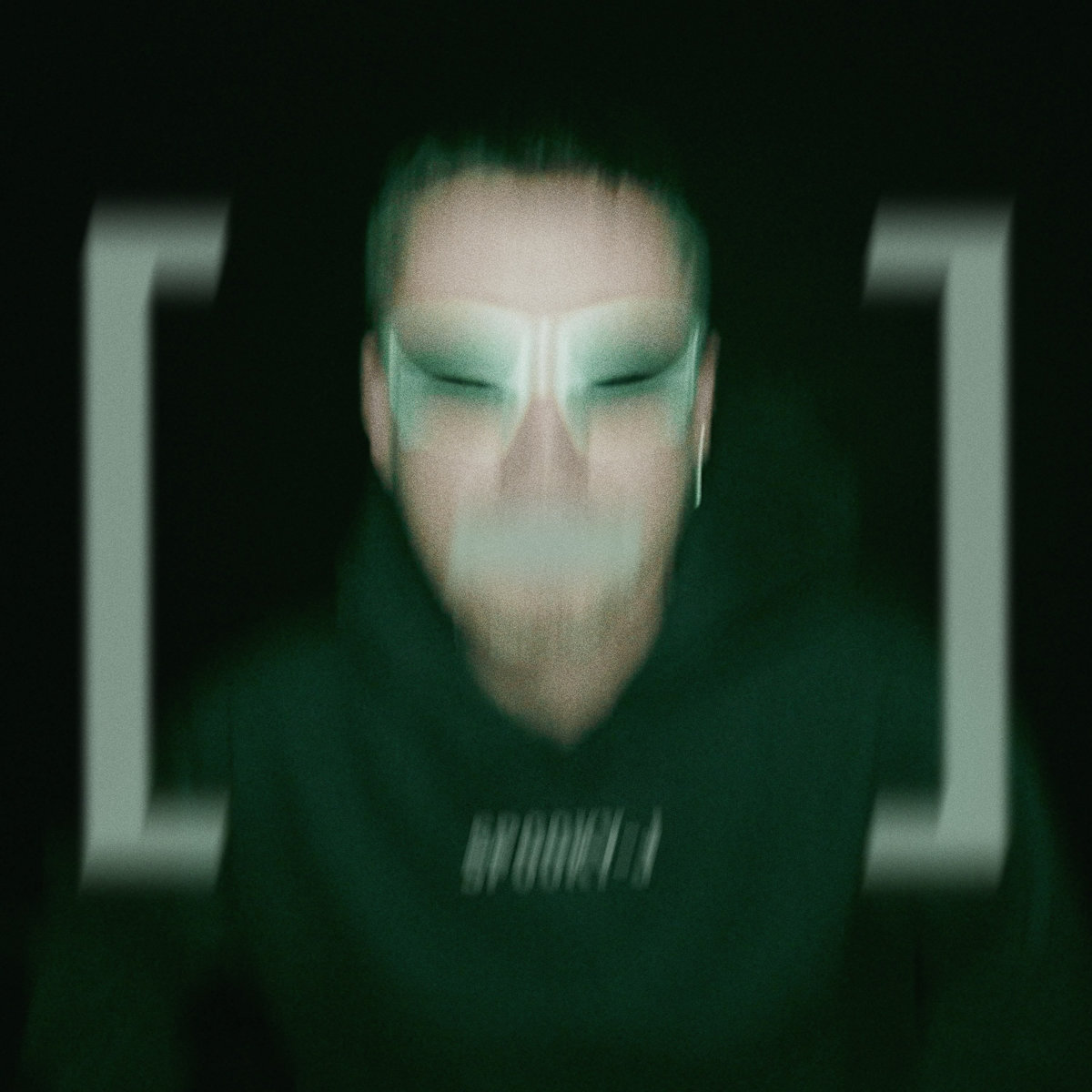
This is the first release that I have encountered from drummer Jacob Maskell-Key’s solo alias, but I have been a devout fan of his Ugandan percussion-themed Nihiloxica project since its inception. While Spooky-J's overall vision is quite similar to the “industrial-damaged beat tape” aesthetic of Thrill Jockey’s Manslaughter 777 here, his deep fondness for distorted voices, blown-out textures, and darkly hallucinatory vibes make [-] an endearingly demented and distinctive EP. In keeping with that theme, [-] is partially inspired by the gleeful misuse of text-to-speech engines, as Maskell-Key is fascinated by the “surreal and often dreamlike output of early machine learning models.” As he puts it, his intention was to “explore the gap between AI's ability to convincingly imitate life and its complete lack of understanding of what it is actually producing.” At its best, this EP’s marriage of visceral and absolutely banging live drumming with the garbled idiot ravings of hacked text-to-speech engines feels like a stroke of mad dystopian genius beamed back from the future.
Amusingly, the original idea behind this wild half-man/half-machine mindfuck was quite an innocent one, as Maskell-Key simply wanted to figure out a way to perform solo shows without using any “restrictive and inauthentic” backing tracks. He needed something that was “enjoyable to play live but not too complicated for touring.” After much trial and error, he settled on the idea of preparing voice-to-text samples that “would vary depending on the show and recent world events.”
That first breakthrough soon led to yet another even better one, as Maskell-Key “spiraled into hacking the engines' capability to produce textures and nonsensical ramblings based on his own music, like a circle of sonic information feeding each other.” While that Ouroboros-like system may sound overly cerebral or high concept on paper, it certainly does not feel that way on the album, as these eight songs are playfully unhinged in a way that alternately suggests one of Rashad Becker’s viscous notional monsters DJing at a strip club, a dancehall MC glitching out, or a stuttering and blown-out channeling of chopped-and-screwed horrorcore hip-hop.
That said, the brief opener (“Chip”) does feature Maskell-Key’s own voice (albeit in distorted, harmonized form). The rest of the piece is otherwise representative of the rest of the EP, however, as it is built from a simple hip-hop beat enhanced with deep bass throbs, slicing high hat, and a chirping hook crafted from digital voice fragments. In keeping with the EP’s lysergic funhouse logic, however, the vocals from “Chip” are kaleidoscopically deconstructed into meaningless syllables on the closing “Make Sure It Reaps.”
For me, the EP’s centerpiece is “Kijk,” as a stuttering synth motif and warm chords combine with a head-bobbing groove before the bottom drops out and an eerie digitized vocal drone seizes the focus. The piece then reignites with a cool chopped “vocal” melody at its center. Elsewhere, I was similarly delighted with the hallucinatory dancehall deconstruction of the shapeshifting “Material Friction.” While there is a cool mutant dub-reggae passage as well, the best part comes near the end, as Maskell-Key mischievously throws in a comically persistent car alarm and chops the “vocals” into an insistent yet ambiguous repeating command to either “drop it” or “bump it.”
The latter seems most appropriate (though J does drop plenty of bass), as [-] feels like a Grand Theft Auto-fueled hallucination in which a sick-ass sports car with earthshaking subwoofers just rolled up beside me to reveal the face of a leering and deeply unnerving Richard D. James-esque grotesquerie. That was definitely not a stylistic niche that I knew I needed before I heard this album, so my hat is off to Maskell-Key for helpfully inventing it. While not every song here is quite substantial enough to leave a deep impression, I genuinely love both the gleefully broken-brained wrongness of J’s vision and the viscerally slicing, crunching beats that he unleashes from his drum kit. This one is a real banger.
This fourth installment of Kevin Martin’s rapidly expanding Ladybug series is something of a pleasant leftfield surprise, as the breezy tropical pop of Hollie Cook’s solo career is about as far as you can get from the icy, hissing dubscapes that have thus far defined this project. Notably, Cook was also a member of the reformed Slits from 2005 to 2010, but I am most familiar with her work through 2012’s excellent Prince Fatty Presents Hollie Cook in Dub album. While she has released a couple of further dub reworkings of her albums since, it is probably safe to say that none of them have been anything quite like this one. That said, Cook seems to have met Martin roughly halfway here, as her “Glue” is the warmest and hookiest single of the series to date (no small feat given that Martin’s “blizzard in a parking garage” production is very much back with a vengeance).
Unsurprisingly, Martin sticks to roughly the same frigid and minimal palette of deep bass, hissing high hat, slow-motion thump, and trails of echoing sibilance that has defined all of the previous Ladybug EPs. The difference here is mostly that the song that he is desiccating and sandblasting has sturdier bones than usual, as both Cook’s sweet chorus harmonies and the throbbing reggae chug are both indestructible enough to burrow through Martin’s howling winds of icy, reverberating decay relatively unscathed.
Obviously, that is a good thing, but it does shift the balance of this EP’s pleasures more towards the song itself and less about the ingenuity of Martin’s “scorched earth” studio deconstructions and (macro) dub infections. Unlike the more bloodless and haunted “pop songs” of Cook’s predecessors, “Glue” sounds like sensuous pop reggae jam drifting from an open car window in a deserted and echoing subterranean parking garage, but that hypothetical car seems to have supernaturally formidable subwoofers that make the ground and the air feel throbbing and alive with vibrating sub bass frequencies.
Aside from the closing “Glue (Magnetic Version)” in which Martin erases Cook’s vocals completely, the differences between the four degraded and corroded variations on the actual single are largely secondary to the song itself, as the seductive chorus hook and the sinuous bass line are vibrant enough remain the main attraction despite the icy and shapeshifting squall of Martin’s brutalist production enhancements. As a headphone or high-volume experience, however, Ladybug 4 still offers plenty of deeper textural pleasures for the real heads, as Martin’s gnarly arsenal of tricks continues to evolve as this series progresses.
In that regard, I was most impressed with the various splashing, swishing, and hissing high hat sounds in pieces like “Glue (Dub Like Glue)” and the endlessly ricocheting echoes of Cook’s voice in “Glue (Magnets Dub).” Martin also experiments with more minimalist and more maximalist approaches ranging from just bass, kick, and voice to swirling blizzards of lingering decay and delay, but the most compelling innovations for me are mostly that “Glue” is a great fucking single and that Martin allowed the individual character of Cook’s voice to remain a bit more robust than usual. Aside from that, the other big revelation here is that a suitably sexy and persistent bass line means that Martin can go absolutely mental with allowing a single sound or phrase to reverberate endlessly around space without the song itself ever losing any steam. This series continues to be a reliably wonderful and continually evolving delight.
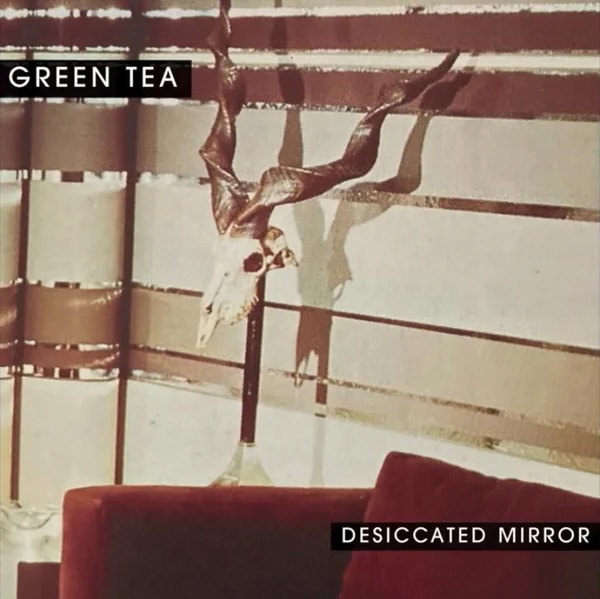
From its surrealism-conjuring title and song list, Nick Forté’s latest work as Green Tea does not seem to convey anything with a distinct underline theme, which is perfectly fine. It comes across as a pure study of sound, with a blend of familiar dynamics from the harsh noise world, but with an occasionally unconventional edge that complements the abstract collages that adorn the CD perfectly.
Through the seven pieces on this disc, Forté leans into the genre of harsh noise rather frequently, but they are often peppered with disparate bits that serve to strengthen, rather than distract, from the chaotic blasts. Opener "Devotional Pit" is at first straight-up squawking, squealing aggression, buried in digital reverb. Relatively quickly, however, he blends in a purer tonal undercurrent that remains carefully controlled amidst the guitar pedal blasts and raw edits.
I have been casually aware of Berlin-based Dutch-Italian artist Aimée Portioli for a few years now through her collaboration with Abul Mogard and her unique and wonderful record label One Instrument, but this is my first proper foray into her solo work. I apparently chose quite an uncharacteristically harrowing entry point, as Temporary took shape during a period of “profound personal grief and loss” that inspired a newly “raw, expressive intensity.” While the relationship between suffering and great art certainly remains up for debate, this album’s guiding sentiment seems to be “mortality does not diminish life; it intensifies it” and Portioli makes no effort to mask or blunt her churning emotions with artistic distance in these eight volcanic pieces. Fans of Tim Hecker’s more apocalyptic recent albums will find much to celebrate here, as Portioli unleashes an impressive arsenal of smoldering, seething, and blackened textures.
In keeping with the album’s overarching theme of the “ephemeral nature of existence,” each of the song titles on Temporary is a fragment of a poetic “meditation on transience.” Fittingly, Portioli’s compositions embody that transience as well, as the main thread that runs throughout the entire album is that every new motif is destined to burn up, collapse, or dissolve by the end of its duration. In the case of the brief opener “18 Circles to Heaven,” a looping synth flicker is increasingly frayed with hiss and sizzle as painterly streaks of distortion gradually take over the focus. The following “Come To Stay” is a bit more representative, however, as Portioli’s strong Tim Hecker/Ben Frost influence surfaces in appropriately dramatic and maximalist fashion, as a bleary ambient reverie quickly gives way to stuttering percussive loops, waves of hiss, and a tense minor key synth melody that steadily builds to a scorched and engulfing climax. That piece is followed by something of an outlier, however, as “The crossing of the body, the crossing of the mind” evokes the brooding post-rock desolation of GY!BE in a way that suggests a distant burning city viewed from across a vast and wintry expanse.
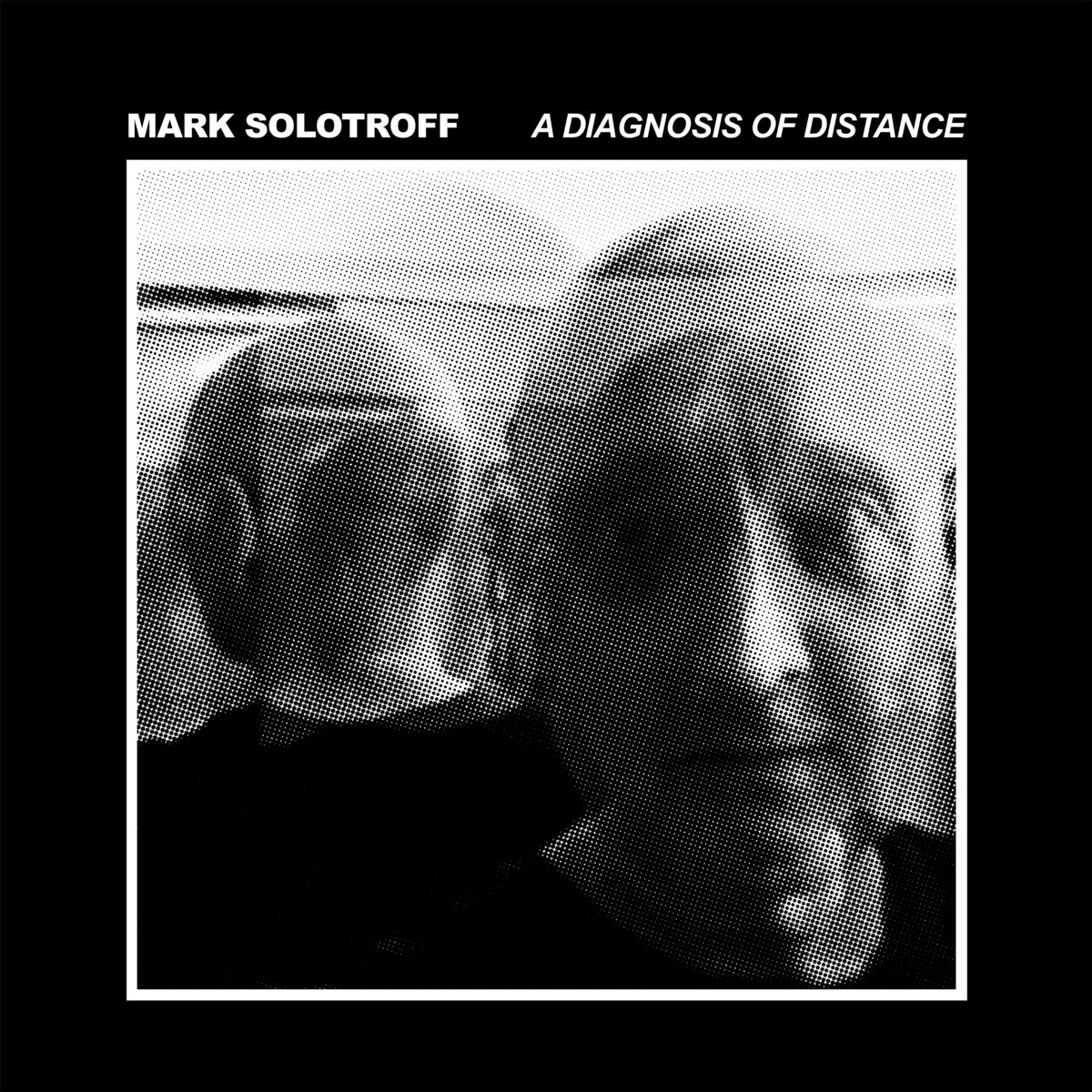
In his recent solo work, and to an extent his BLOODYMINDED project as well, Mark Solotroff has been focused on building meditative, occasionally cinematic works of synths and field recordings, within the context of space, place, and social isolation. I should also note that this series of recordings dates back to 2017, so it has never been one of far too many lockdown inspired projects, though it seems oddly prescient in retrospect. A Diagnosis of Distance draws upon similar facets as his other solo material, but a further refinement and demonstrates even more nuance in construction. For this one, however, he includes some friends on a bit more than half of the album, which gives it an entirely different quality.
The aforementioned friends are JR Robinson (Wrekmeister Harmonies, and Solotroff’s partner in The Mercury Impulse), Joshua Strachan (Vaura, Blacklist), and Isidro Reyes, who has been a member of many Solotroff projects, most notably BLOODYMINDED and Anatomy of Habit. Rather than just blending into Solotroff’s frigid, isolated spaces, their contributions are extremely distinct, almost contrasting at times, but make for an excellent complementary addition to his foundation.
I am sad to report that I slept on this idiosyncratic one-man avant-guitar supernova’s Palilalia debut last year (watergh0st songs), but this second release has instantly made me a devout convert. It is certainly fitting that Roth landed on Bill Orcutt’s label, as he is very much a similarly fiery, spontaneous, and unconventional guitar stylist. Unlike Orcutt, however, Roth started off as a trained classical guitarist whose fascination with the patterns and “subtractive properties” of electronic music and the “secret guilty pleasures” of playing with wrong-sounding textures inspired him to veer completely off the rails into wild and uncharted new territory. While there are admittedly plenty of other six-string visionaries gleefully abusing their instruments in search of their own distinctive and radical new voice, none are at all like Roth, as his raw and iconoclastic playing is improbably intertwined with a striking talent for crafting strong hooks and memorable songs.
Roth amusingly describes his approach as a "Pavlovian" compulsion to “expel songs” and views his albums more as “snapshots” of both his daily life and his creative evolution than as deliberate statements. That genuinely feels like an honest assessment, as each of these seven songs feel like a raw and spontaneous eruption and their lyrical themes are invariably diaristic in nature (albeit poetically so). Even if some of them were written several years ago and have been played hundreds of times since, Roth still manages to make each one feel like a unique, ephemeral, and gloriously alive one-time-only event and that is exactly what they are. In fact, it is damn near impossible to imagine some of these slashing, scrabbling, and jagged flourishes ever being faithfully replicated again. Nor would Roth have any interest in doing so, as his songs evolve as he evolves.
This collaboration first began to take shape in 2021, as the two iconic ambient/drone artists connected during the unfamiliar and perspective-shifting cultural landscape of the pandemic. Significantly, the two discovered a shared fascination with “bizarre weather events,” as it was a big year for flooding and intense storms in both Ireland and Australia. Fittingly, that apocalyptic weather became a central inspiration for their union, but the album’s title provides a clue to yet another, as Skelton and English viewed noon as both “a meeting point” and a “promise of a repeating solar centre to our days.” Also, the word’s palindromic nature metaphorically represents the “oppositional mirror” of the composers’ different hemispheres and the way that their ideas would echo back and forth between them. For the most part, those echoes did not ignite any revelatory creative breakthroughs, yet NOON seamlessly blends Lawrence’s more pessimistic, greyscale side with the immensity of Skelton’s work as The Inward Circles, which is a solid and satisfying achievement.
On its face, NOON stylistically lands in familiar greyscale ambient terrain, as the duo’s sound palette leans quite heavily upon deep drones, seismic rumbles, washes of sibillance, cavernous reverberations, and a general feeling of desolation. There are also some more unexpected elements that subtly creep in at various points, such as the smeared, curdled, and otherworldly chimes at the beginning of “Sprites” or the sounds of a passing train in “Holding Light,” but the most interesting bits are the scenes that they evoke and the way that the dueling sounds glacially interact.
A consistently perplexing artist (in the most complementary way), Matt Weston’s newest double album follows up 2024’s Communism Has Appeared on the Scene with four side-long pieces that refuse to comply to any overt structure or dynamic. Incidental sounds clash with raw electronics, melodic tones are cut with painful drills, and it all, somehow, sticks together beautifully.
Although his previous album featured some conceptual elements centered around place and field recordings, Call Out the Instigators seems to be a work of pure sound and manipulation. Side A's "We Will Haunt You for It" jumps right into the noise. From an opening that is somewhere between the sizzling of a short-circuiting electrical wire and an unrelenting dentist’s drill, Weston throws in the occasional sweeping outburst and eventually a lingering tone that gives a hint of melody. He continues to blend these two extremes, shifting into abstract banging and clattering chaos. The concluding pseudo-organ tones and the echoing sound of a scraping metal chain do well in capturing the Halloween-like vibe throughout this album, although I’m assuming despite the orange cover and late October release date, this is entirely coincidental.
It has apparently been an entire decade since this Birmingham-based composer last released a solo full-length, which makes Grisaille something of a major event even though Herbert has released a fine EP and a couple of excellent Ogive albums in recent years. For me, he remains one of the most reliably fascinating artists working in the ambient realm, which partially explains his relatively lean discography, as he only seems to surface when he has something fresh and compelling to share. In the case of Grisaille, Herbert began working with a “deliberately restricted palette” back in 2023 in which “musical systems” were “set in motion and allowed to unfold according to their own internal logic.” His intent was to preserve the “uncertainty and vitality of initial instinct” and it worked beautifully, as these seven evocative pieces organically evolve and transform like a sublime and enigmatic dream.
The opening “Graupel” makes it very clear that Herbert meant business when he said that he restricted his palette, as it begins with little more than a soft two-note pattern, some quiet sputters of static, and a cold whistling tone. As it unfolds and expands, however, it gradually blossoms into an immersive and vividly textured headphone experience in which it feels like my head has been filled with viscous, gently bubbling liquid and a soft cacophony of mysterious radio transmissions.
It is certainly nice to see that Sleep have reformed and begun touring again, but Om has always been my favorite of Al Cisneros’s projects by a country mile and there has been a very large Om-shaped hole in my heart since 2012 that has thus far not been filled by Cisneros’s post-Om run of solo dub releases. While I enthusiastically love both dub and Cisneros’s reinvention as a minimalist psychedelic visionary, nothing has ever come close to fully recapturing the magic of early Om’s hypnotically shifting and organically alive bass-and-drum epics. This latest single, however, is a revelatory exception to that trend, as Cisneros enlisted a small ensemble of like-minded collaborators to re-envision the Sabbath-indebted stoner doom of Sleep’s iconic “Dragonaut” as an old school-style Jamaican dub-reggae banger. The result is an instant Cisneros classic.
Like many of Al Cisneros’s solo releases, “Dragonaut Dub” is essentially just a single, but this one is a bit longer than usual as it features a pair of B-sides dedicated to the late Witch bassist and beloved underground music lifer Dave Sweetapple. The single is definitely where the main action is, however, as “Dragonaut Dub” absolutely rules right from its first notes and beautifully channels most of the best bits of both Om and Sleep with some notable enhancements. Killer central riff? Check! Fluid, freeform bass riffage and shamanic vocals? Check! Are the lyrics about riding a fucking dragon into space? Hell yeah they fucking are.

















 This first release by Brooklyn-based interdisciplinary artist isabel crespo pardo for Leaving Records debuts is also their first under the name iiisa, but they previously released a similarly unconventional and challenging cassette on Philadelphia’s fine Lobby Art label. This latest album is billed as a collage of “field recordings, poemsongs, and familial voices from their home in Costa Rica” that draws on influences from “Latin American histories, Black American art, and queer and trans thought.” I would personally include Astrud Gilberto and avant-garde electroacoustic composition in that list as well, yet iiisa’s surreal and impressionistic vision is very much a deeply personal one without any obvious stylistic precedents. As iiisa themself puts it, “I wanted to offer my voice in the way I hear it when I’m alone” and “bring people into the cave of my mind.” To me, that cave is best described as an immersive, shapeshifting, and diaristic fever dream where soft Latin pop melodies and evocative field recordings elusively drift and dissolve.
 This is the first release that I have encountered from drummer Jacob Maskell-Key’s solo alias, but I have been a devout fan of his Ugandan percussion-themed Nihiloxica project since its inception. While Spooky-J's overall vision is quite similar to the “industrial-damaged beat tape” aesthetic of Thrill Jockey’s Manslaughter 777 here, his deep fondness for distorted voices, blown-out textures, and darkly hallucinatory vibes make [-] an endearingly demented and distinctive EP. In keeping with that theme, [-] is partially inspired by the gleeful misuse of text-to-speech engines, as Maskell-Key is fascinated by the “surreal and often dreamlike output of early machine learning models.” As he puts it, his intention was to “explore the gap between AI's ability to convincingly imitate life and its complete lack of understanding of what it is actually producing.” At its best, this EP’s marriage of visceral and absolutely banging live drumming with the garbled idiot ravings of hacked text-to-speech engines feels like a stroke of mad dystopian genius beamed back from the future.
 This fourth installment of Kevin Martin’s rapidly expanding Ladybug series is something of a pleasant leftfield surprise, as the breezy tropical pop of Hollie Cook’s solo career is about as far as you can get from the icy, hissing dubscapes that have thus far defined this project. Notably, Cook was also a member of the reformed Slits from 2005 to 2010, but I am most familiar with her work through 2012’s excellent Prince Fatty Presents Hollie Cook in Dub album. While she has released a couple of further dub reworkings of her albums since, it is probably safe to say that none of them have been anything quite like this one. That said, Cook seems to have met Martin roughly halfway here, as her “Glue” is the warmest and hookiest single of the series to date (no small feat given that Martin’s “blizzard in a parking garage” production is very much back with a vengeance).
 From its surrealism-conjuring title and song list, Nick Forté’s latest work as Green Tea does not seem to convey anything with a distinct underline theme, which is perfectly fine. It comes across as a pure study of sound, with a blend of familiar dynamics from the harsh noise world, but with an occasionally unconventional edge that complements the abstract collages that adorn the CD perfectly.
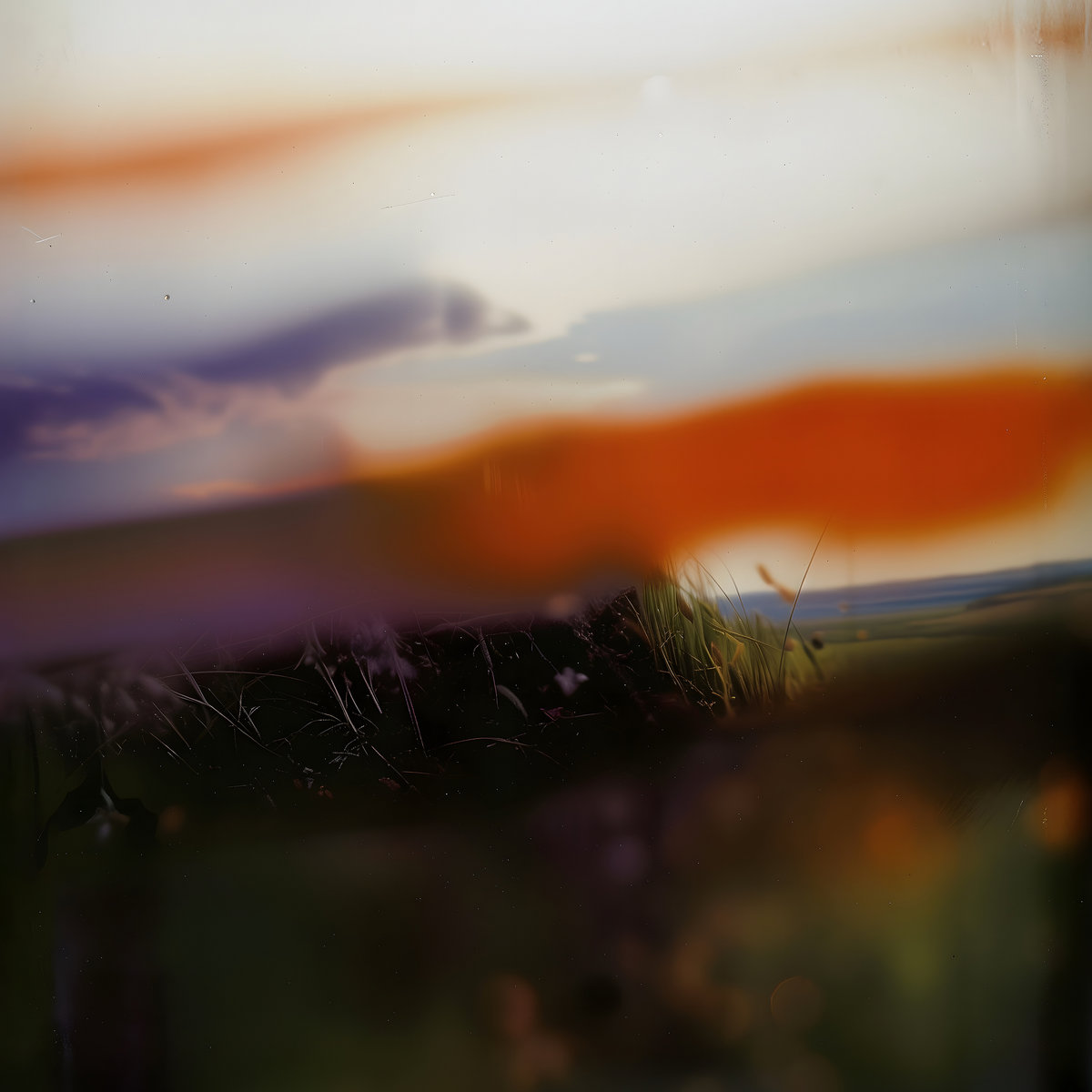 I have been casually aware of Berlin-based Dutch-Italian artist Aimée Portioli for a few years now through her collaboration with Abul Mogard and her unique and wonderful record label One Instrument, but this is my first proper foray into her solo work. I apparently chose quite an uncharacteristically harrowing entry point, as Temporary took shape during a period of “profound personal grief and loss” that inspired a newly “raw, expressive intensity.” While the relationship between suffering and great art certainly remains up for debate, this album’s guiding sentiment seems to be “mortality does not diminish life; it intensifies it” and Portioli makes no effort to mask or blunt her churning emotions with artistic distance in these eight volcanic pieces. Fans of Tim Hecker’s more apocalyptic recent albums will find much to celebrate here, as Portioli unleashes an impressive arsenal of smoldering, seething, and blackened textures.
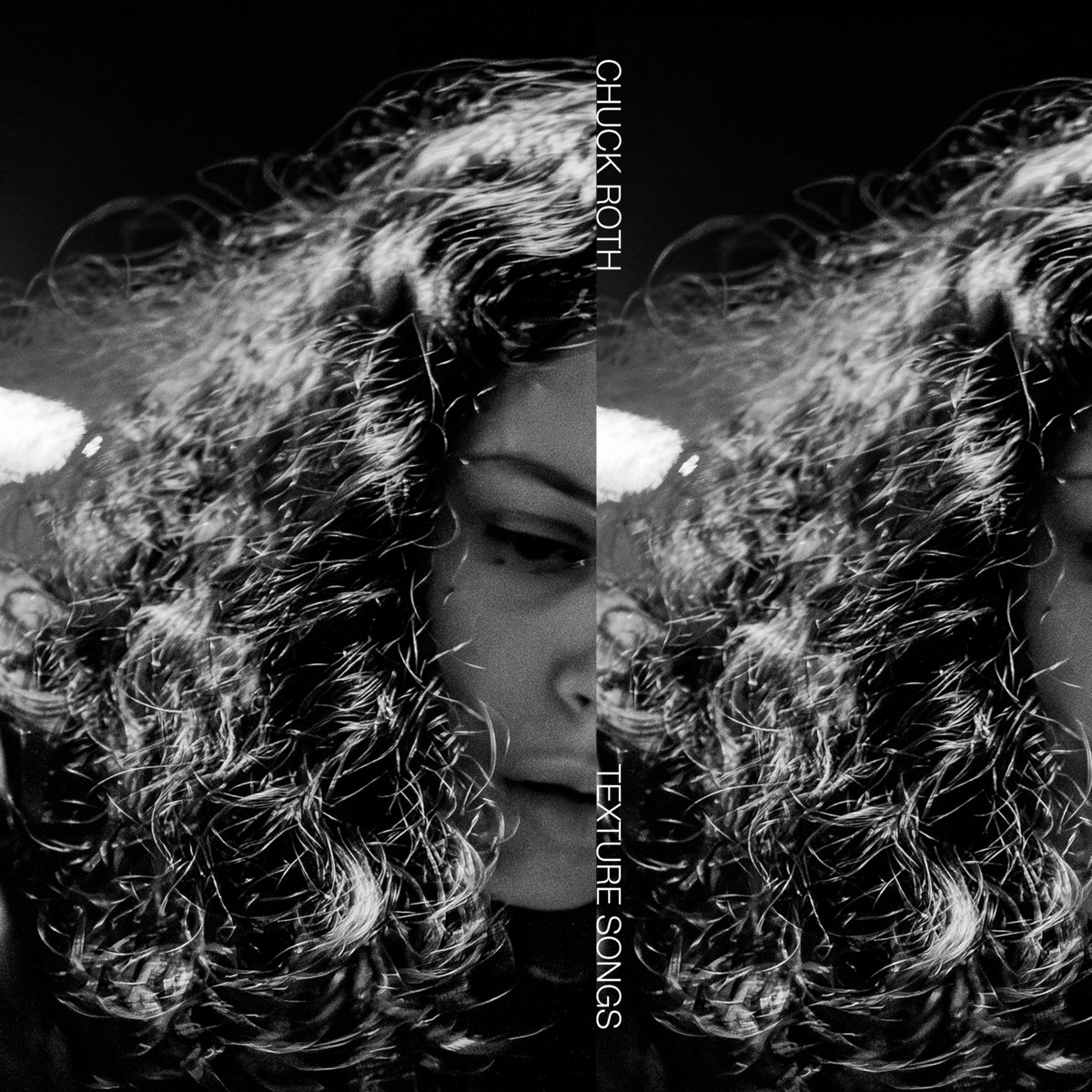 I am sad to report that I slept on this idiosyncratic one-man avant-guitar supernova’s Palilalia debut last year (watergh0st songs), but this second release has instantly made me a devout convert. It is certainly fitting that Roth landed on Bill Orcutt’s label, as he is very much a similarly fiery, spontaneous, and unconventional guitar stylist. Unlike Orcutt, however, Roth started off as a trained classical guitarist whose fascination with the patterns and “subtractive properties” of electronic music and the “secret guilty pleasures” of playing with wrong-sounding textures inspired him to veer completely off the rails into wild and uncharted new territory. While there are admittedly plenty of other six-string visionaries gleefully abusing their instruments in search of their own distinctive and radical new voice, none are at all like Roth, as his raw and iconoclastic playing is improbably intertwined with a striking talent for crafting strong hooks and memorable songs.
 This collaboration first began to take shape in 2021, as the two iconic ambient/drone artists connected during the unfamiliar and perspective-shifting cultural landscape of the pandemic. Significantly, the two discovered a shared fascination with “bizarre weather events,” as it was a big year for flooding and intense storms in both Ireland and Australia. Fittingly, that apocalyptic weather became a central inspiration for their union, but the album’s title provides a clue to yet another, as Skelton and English viewed noon as both “a meeting point” and a “promise of a repeating solar centre to our days.” Also, the word’s palindromic nature metaphorically represents the “oppositional mirror” of the composers’ different hemispheres and the way that their ideas would echo back and forth between them. For the most part, those echoes did not ignite any revelatory creative breakthroughs, yet NOON seamlessly blends Lawrence’s more pessimistic, greyscale side with the immensity of Skelton’s work as The Inward Circles, which is a solid and satisfying achievement.
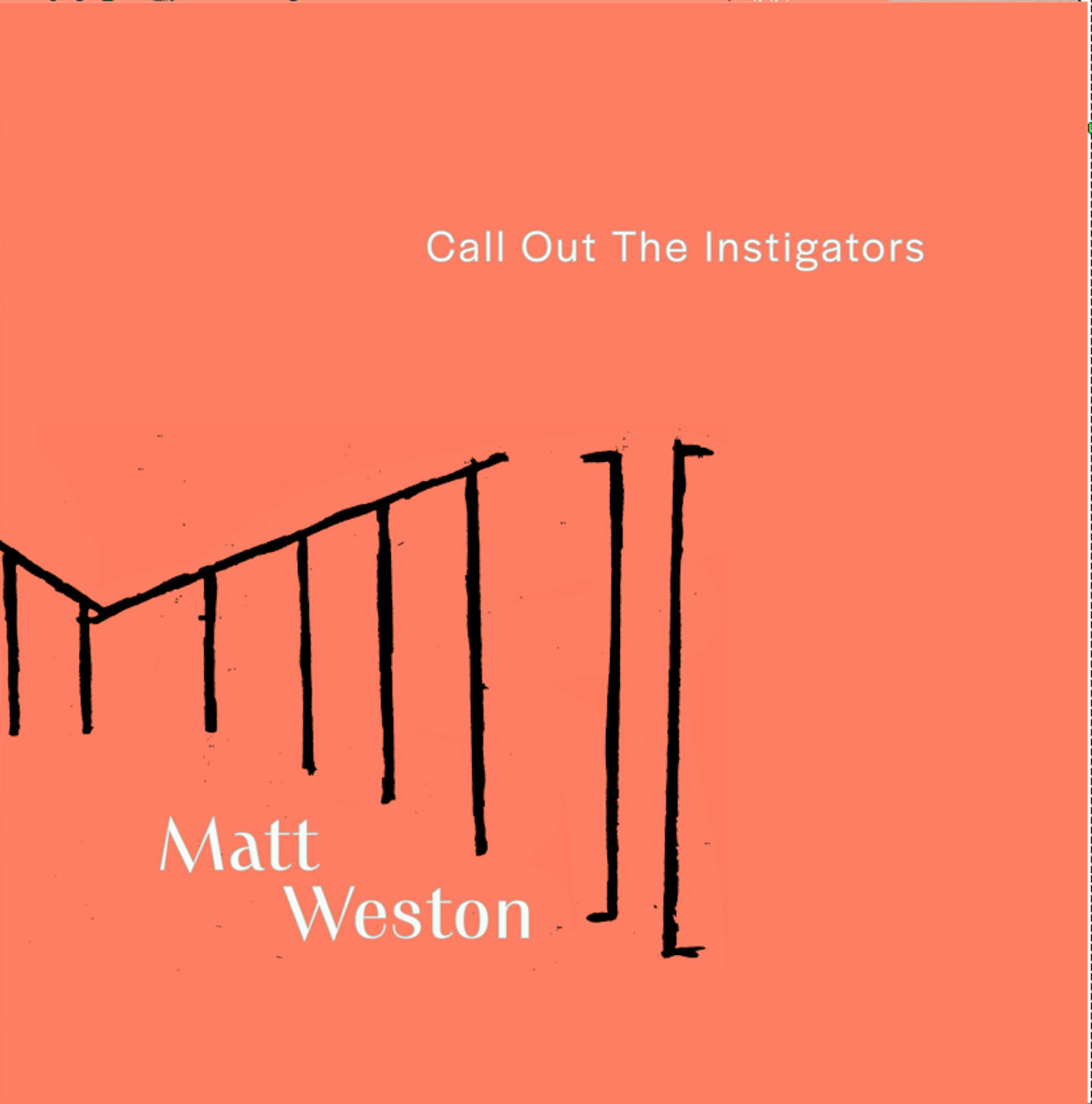 A consistently perplexing artist (in the most complementary way), Matt Weston’s newest double album follows up 2024’s Communism Has Appeared on the Scene with four side-long pieces that refuse to comply to any overt structure or dynamic. Incidental sounds clash with raw electronics, melodic tones are cut with painful drills, and it all, somehow, sticks together beautifully.
 It has apparently been an entire decade since this Birmingham-based composer last released a solo full-length, which makes Grisaille something of a major event even though Herbert has released a fine EP and a couple of excellent Ogive albums in recent years. For me, he remains one of the most reliably fascinating artists working in the ambient realm, which partially explains his relatively lean discography, as he only seems to surface when he has something fresh and compelling to share. In the case of Grisaille, Herbert began working with a “deliberately restricted palette” back in 2023 in which “musical systems” were “set in motion and allowed to unfold according to their own internal logic.” His intent was to preserve the “uncertainty and vitality of initial instinct” and it worked beautifully, as these seven evocative pieces organically evolve and transform like a sublime and enigmatic dream.
 It is certainly nice to see that Sleep have reformed and begun touring again, but Om has always been my favorite of Al Cisneros’s projects by a country mile and there has been a very large Om-shaped hole in my heart since 2012 that has thus far not been filled by Cisneros’s post-Om run of solo dub releases. While I enthusiastically love both dub and Cisneros’s reinvention as a minimalist psychedelic visionary, nothing has ever come close to fully recapturing the magic of early Om’s hypnotically shifting and organically alive bass-and-drum epics. This latest single, however, is a revelatory exception to that trend, as Cisneros enlisted a small ensemble of like-minded collaborators to re-envision the Sabbath-indebted stoner doom of Sleep’s iconic “Dragonaut” as an old school-style Jamaican dub-reggae banger. The result is an instant Cisneros classic.


